About this item 【Premium Quality】The precision square blade is made of 301 Stainless steel and the handle is high-quality aluminum alloy material, wear-resistant, rust-proof, durable and hard to break, Suitable for architectural drawing design, carpentry, etc. 【Humanized Design】The outer edge laser engraved lines every 1/16in are very clear and readable even for olders and poor lighting conditions, contrasts nicely with the non-glare surfaces and won't rub off. 【Scribing Notches】Built in scribing notches are spaced out every 1/16th combined with the shoulder lip make scribing a breeze, Notch in blade allows pencil to go all the way to the edge. 【Self Standing】Unique shoulder lip design allows the square to stand independently for hands-free measuring and marking 【More Features】Wide base formed by cheeks allow square to stand on its own. End-of-beam Vertical scale to simplify machine set up, precision square is perfect for marking cut off work on wide stock and verifying 90 degrees of the products as well! 【Including and Support】1x Stainless Steel Precision Square 6inch, 1x 2mm Mechanical pencil, 2x boxes of pencil leads.Backed by a 2-year warranty and dedicated customer service, ensuring a great user experience. Show more

Review service information, restoration considerations, and project options beforerequesting an assessment.
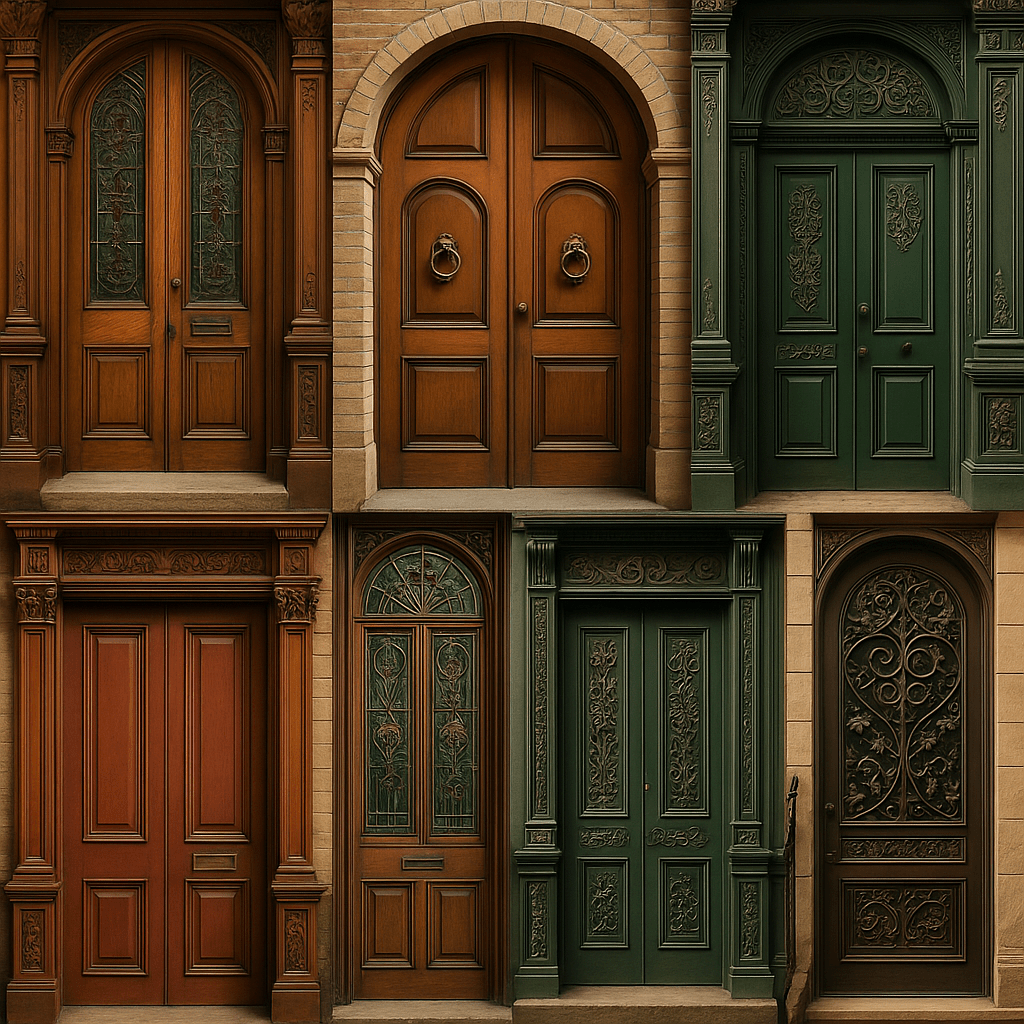
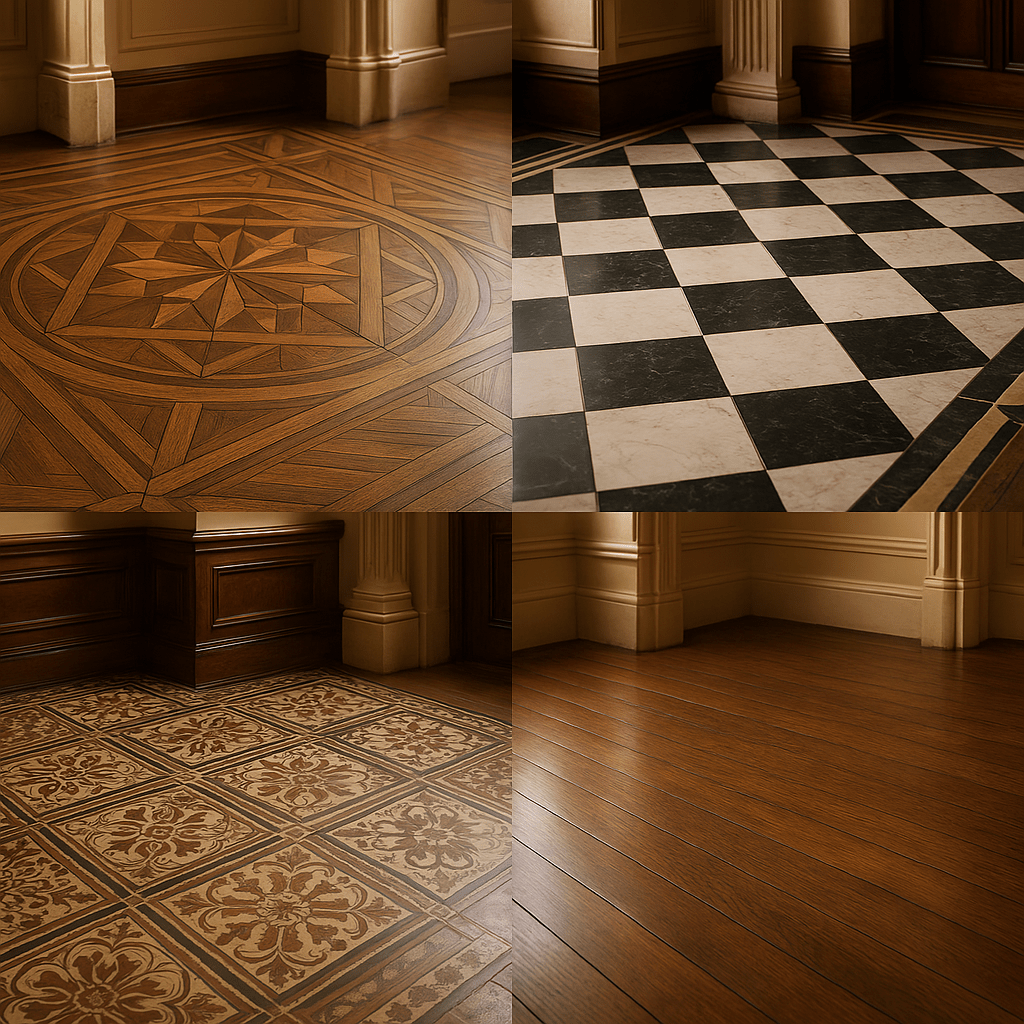
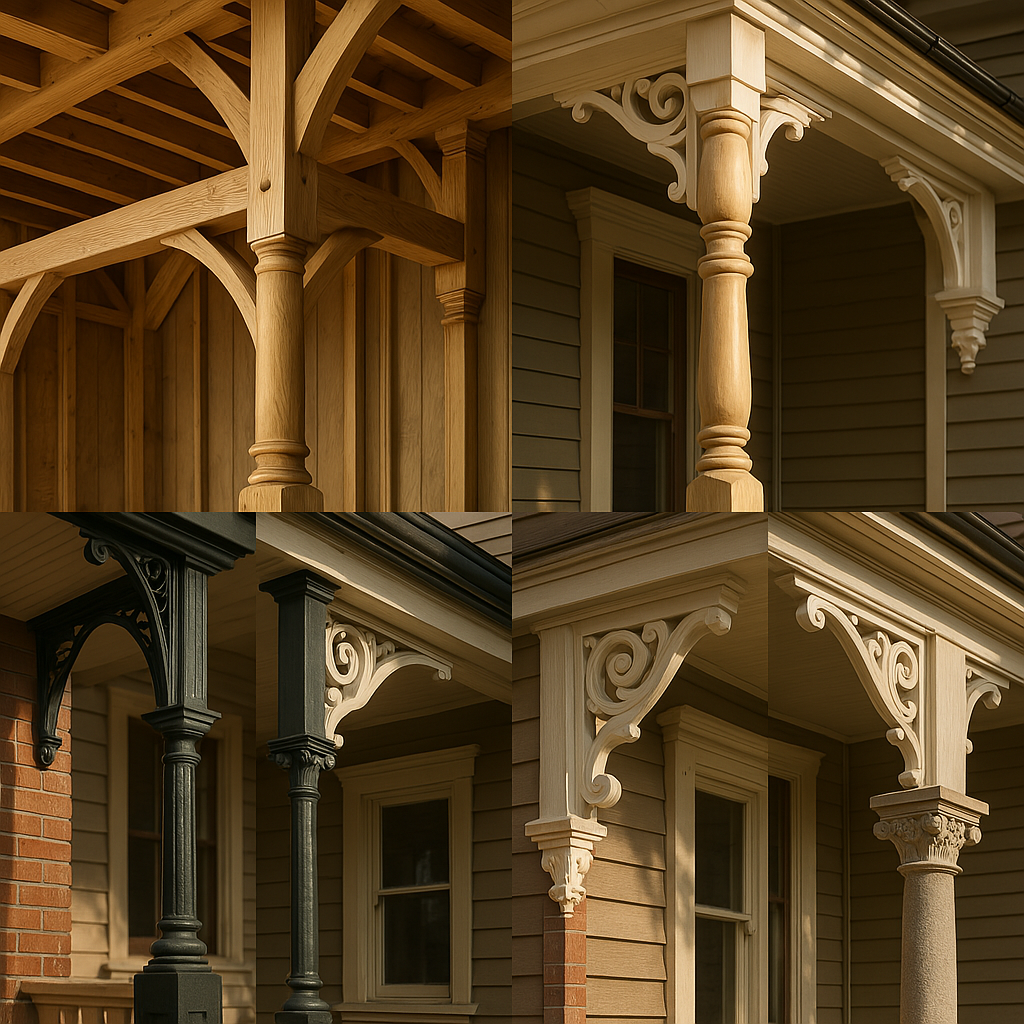
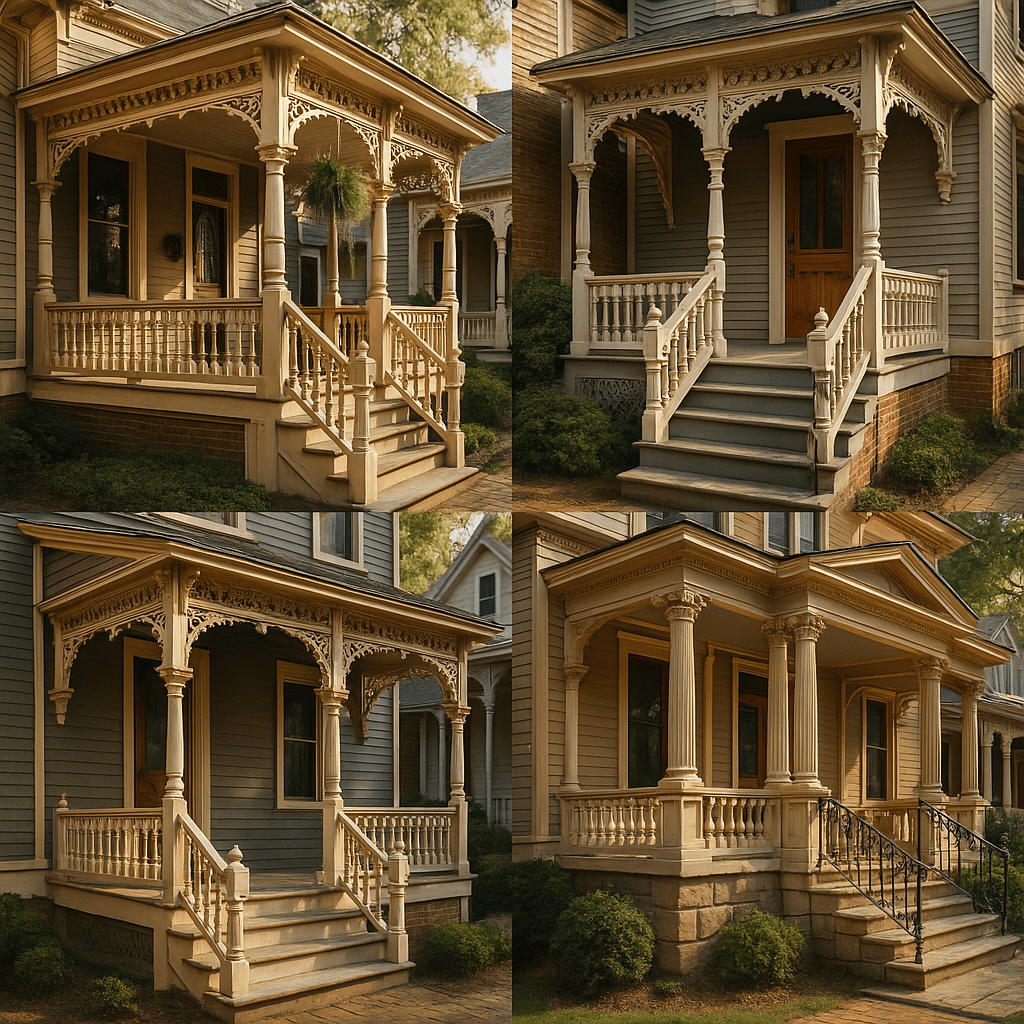
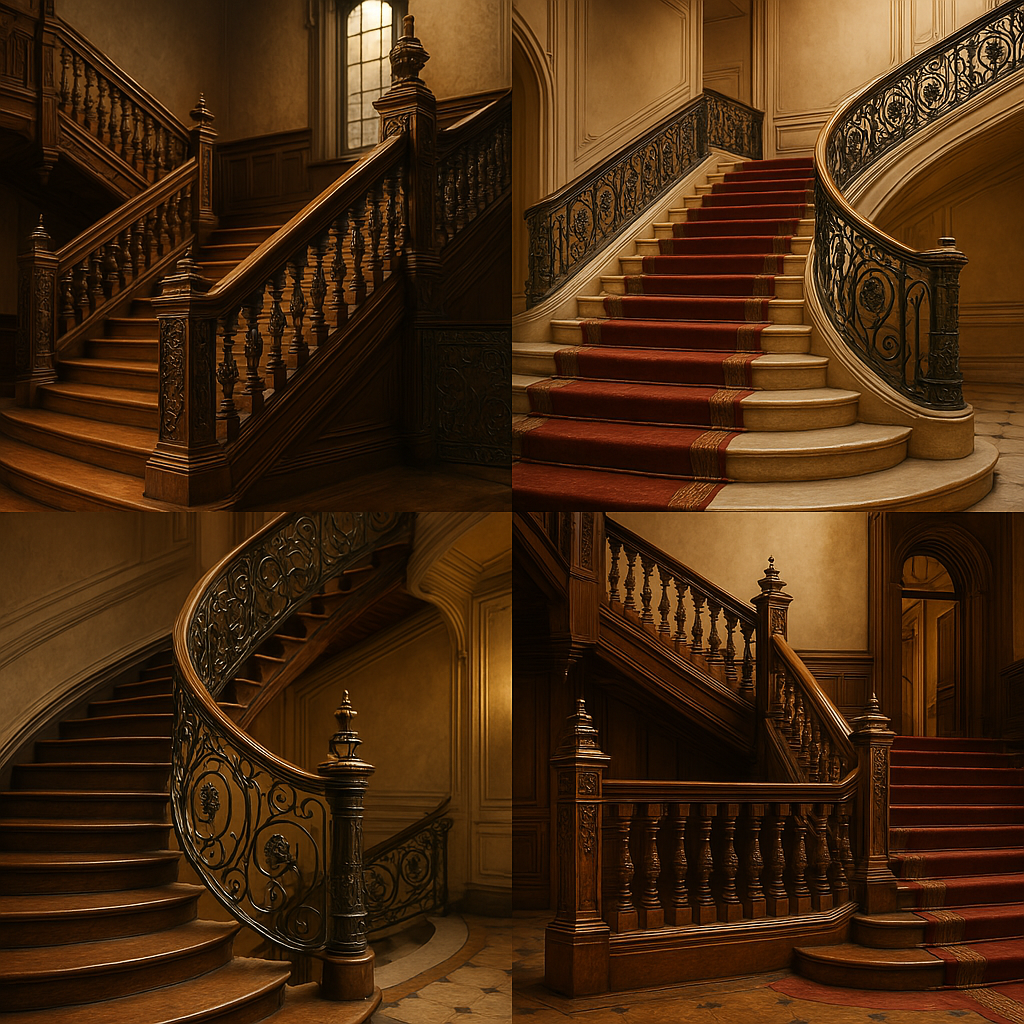
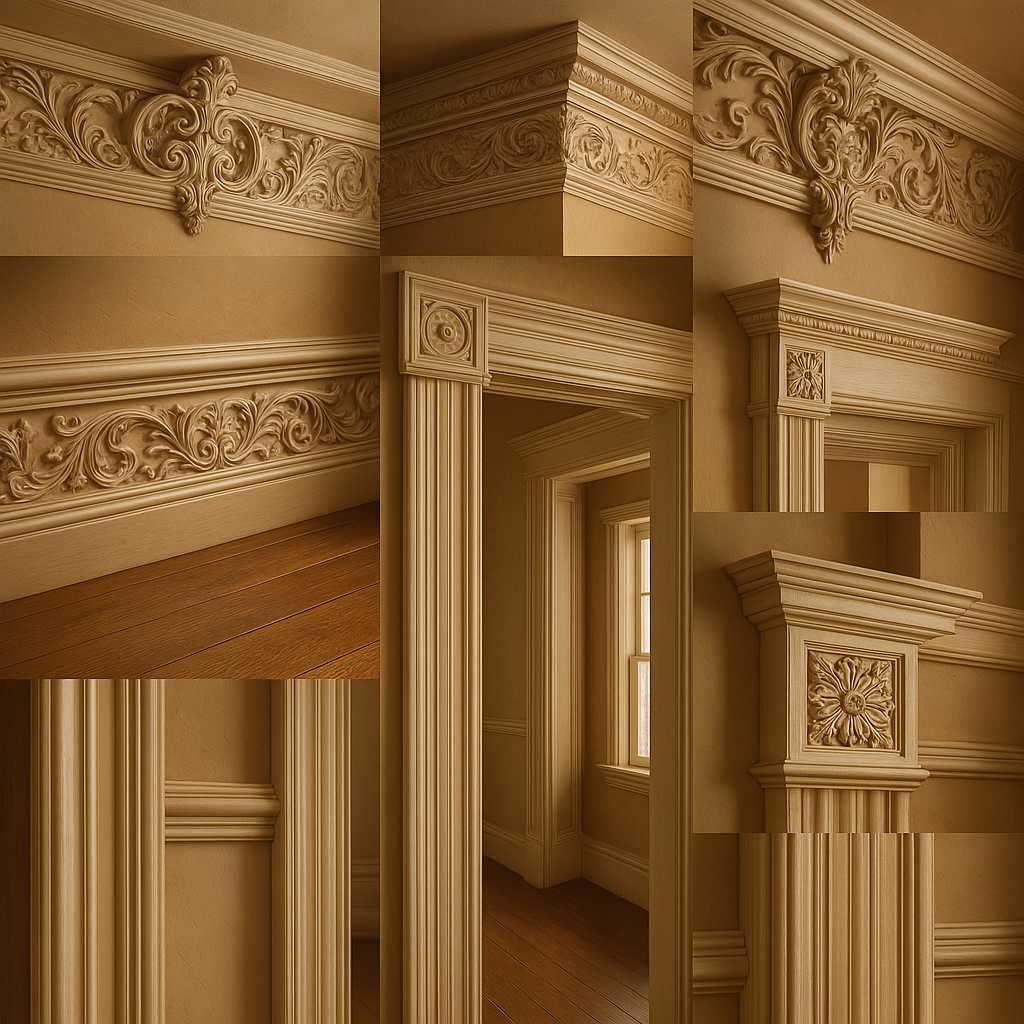
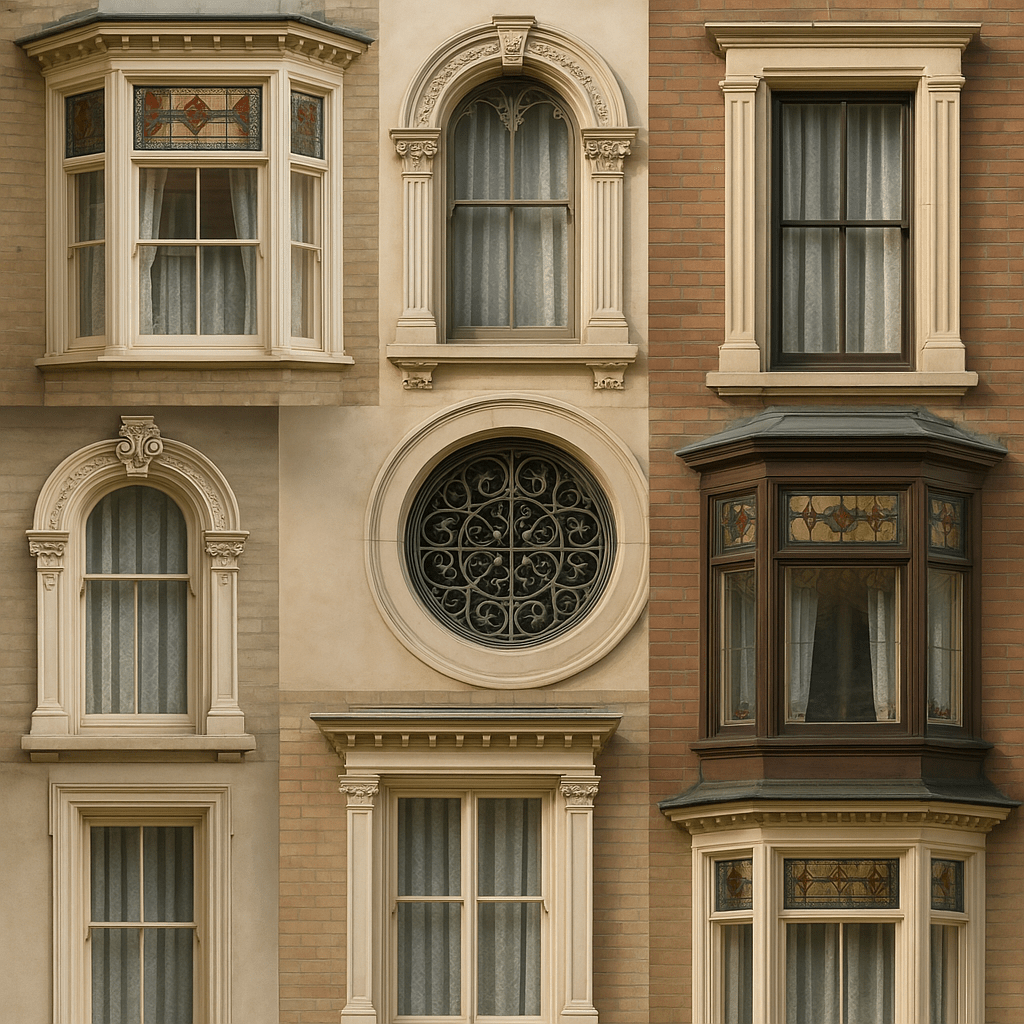
Request a Project AssessmentArtisan Historic Contracting approaches historic restoration with a simple philosophy: preserve what can be preserved and respect the craftsmanship that gave the property its character. Historic doors, windows, floors, stairs, porches, siding, trim, and molding are more than building materials; together they tell the story of the home. AHC focuses on restoration, repair, and preservation using an understanding of traditional construction, historic materials, and architectural details. Whether your property is Victorian, Craftsman, Mission Revival, Spanish Colonial Revival, Tudor Revival, Classical Revival, Norman Revival, or Colonial Revival, the objective is to understand what exists before deciding what should be repaired, restored, or rehabilitated. Review the information here, explore the Related Services below, and choose the building components that need professional attention.
A successful historic restoration project begins by identifying the property, the building components involved, and the conditions that need attention. AHC's Service Center is designed to help a new client move from an initial concern toward the appropriate professional restoration pathway. Start by reviewing the information provided here, then use Related Services to identify the specific building components involved in your project. A property may need one service or several related services, such as doors, windows, floors, stairs, porches, siding, trim, or molding. The next step is a Project Assessment so the property, affected components, and existing conditions can be documented and the appropriate direction established. This creates an organized path from the first inquiry through project evaluation rather than asking the client to determine the technical solution before professional review.
Historic restoration pricing should help a client understand the work rather than reduce a complex historic property to a single number. AHC keeps pricing information visible as an education and qualification tool, with the labor structure connected to the level of service being considered. Repair, Restoration, and Rehabilitation represent different levels of project involvement, and the appropriate pathway depends on the building component and actual conditions being addressed. Historic properties may also involve original wood, glass, metal, masonry, plaster, traditional finishes, and other materials that require appropriate restoration planning. Before evaluating final project cost, the client should understand what needs attention and what level of work may be appropriate. Review the applicable Related Services below, identify the areas involved, and use the Project Assessment process to move the project toward an appropriate scope.