About this item Durable Material - The rafter square is die-cast from heavy-gauge aluminum alloy which enables it to last long and still give an accurate measurement. The combination ruler itself is die-cast from zinc alloy and carries a steel ruler made of stainless steel with a matte finish Clearly Identifiable Scale - The rafter square finishing features low glare and protective powder coated. It has permanent deep markings and white graduations for maximum readability in any lighting. The stainless steel ruler of the combination square has a deep etching scale for superior legibility and long-lasting usage Multiple Graduation - The 7-inch rafter square has many kinds of graduation which blends the features of framing square, try square, miter square, and protractor square. The combination square has a 12-inch stainless steel ruler which has 3 types of minimum scale values: 1/16”, 1/32”, and 1mm User-Friendly - Lipped fence allows you to easily brace the rafter square flush with the wood, creating a straight or angled line that is proportionate to the wood's edge. The spring screw of the combination square makes it easier to detach the stainless steel ruler and the smooth ruler is easier to slide for your measurement Wide Versatility - Easy-to-read level vial and a metal scriber on the side of the combination ruler increase product practicality and versatility. The rafter square can be used as a guide for cross-cutting lumber. They both work accurately at an angle of 90 degrees or 45 degrees Show more

Review service information, restoration considerations, and project options beforerequesting an assessment.
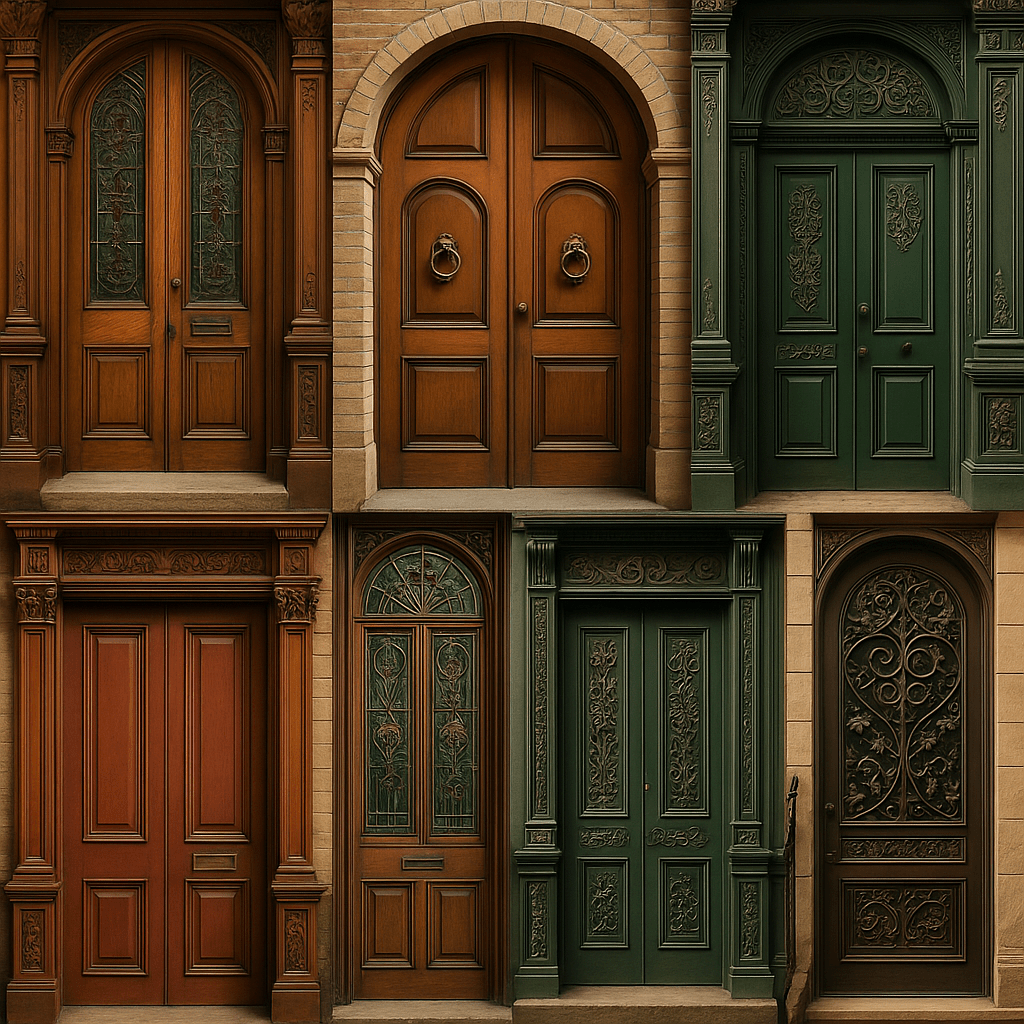
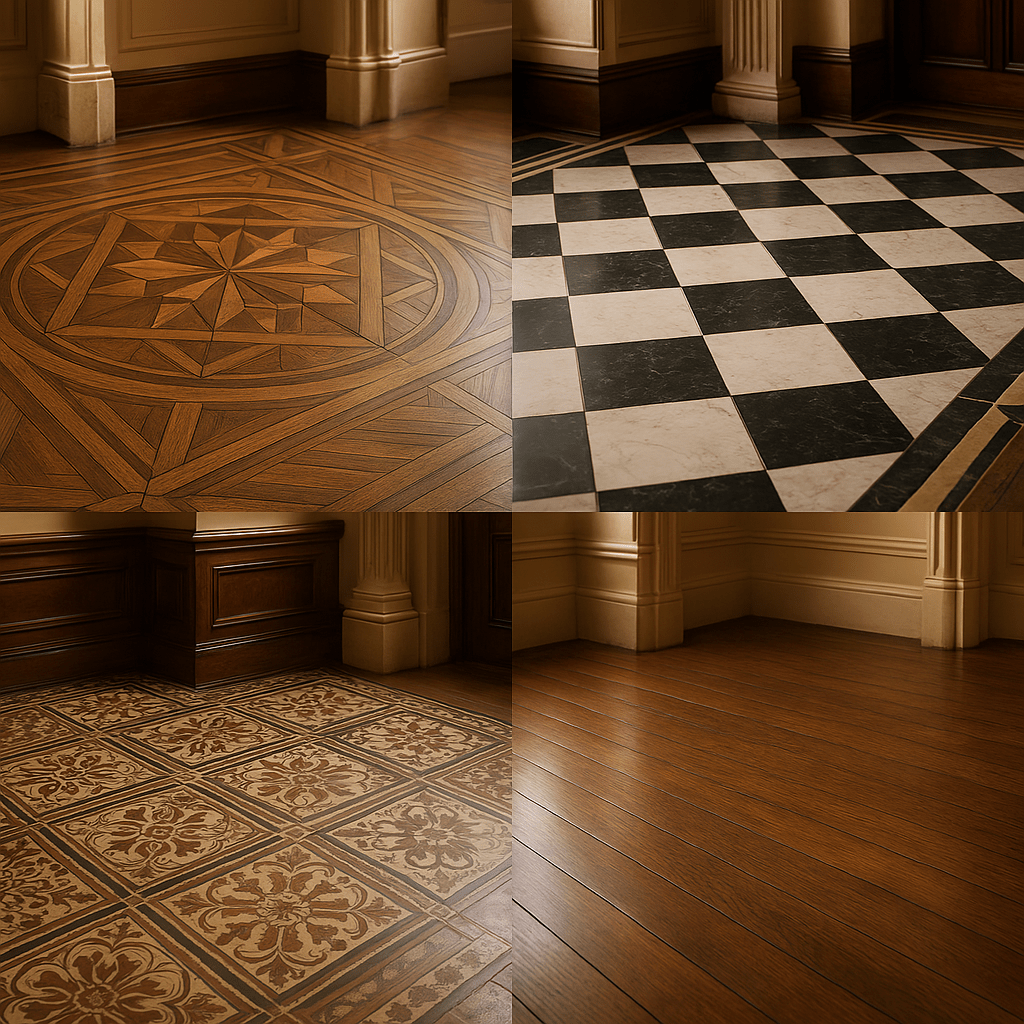
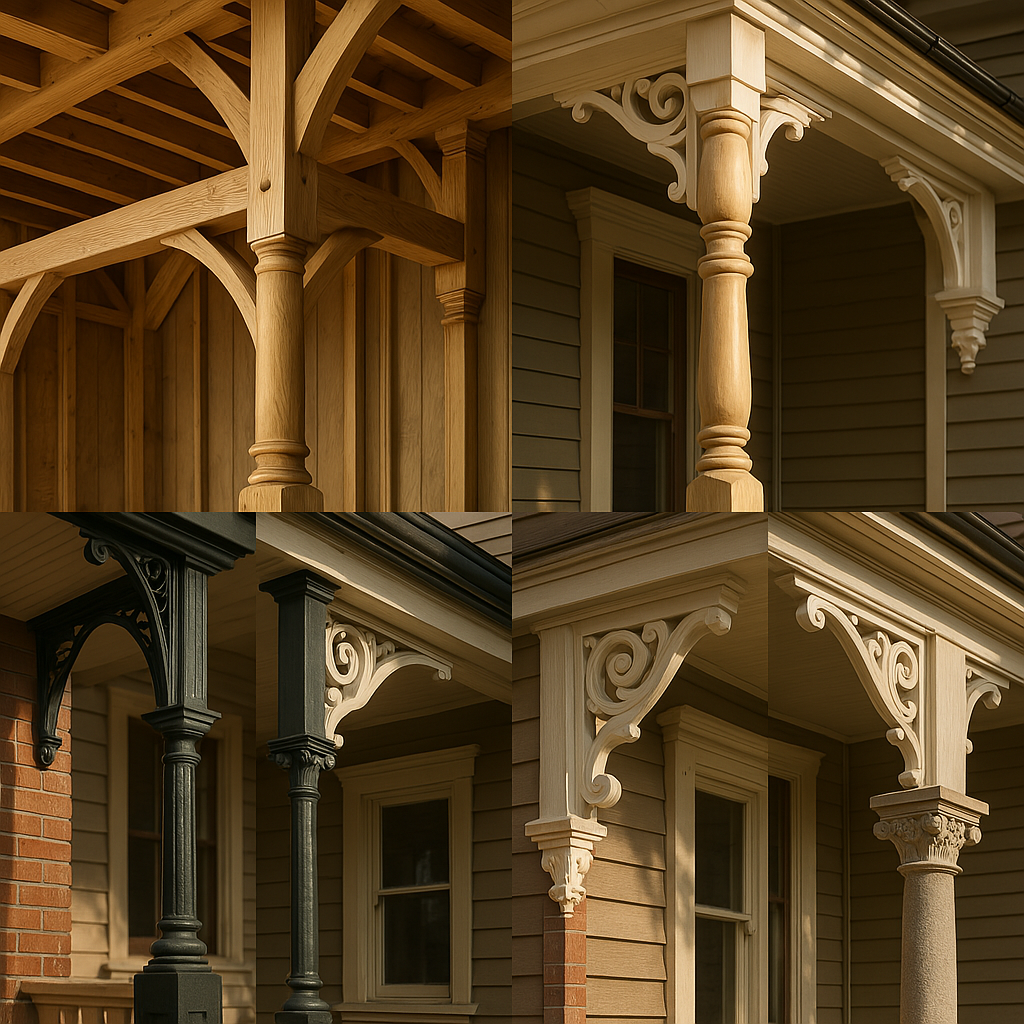
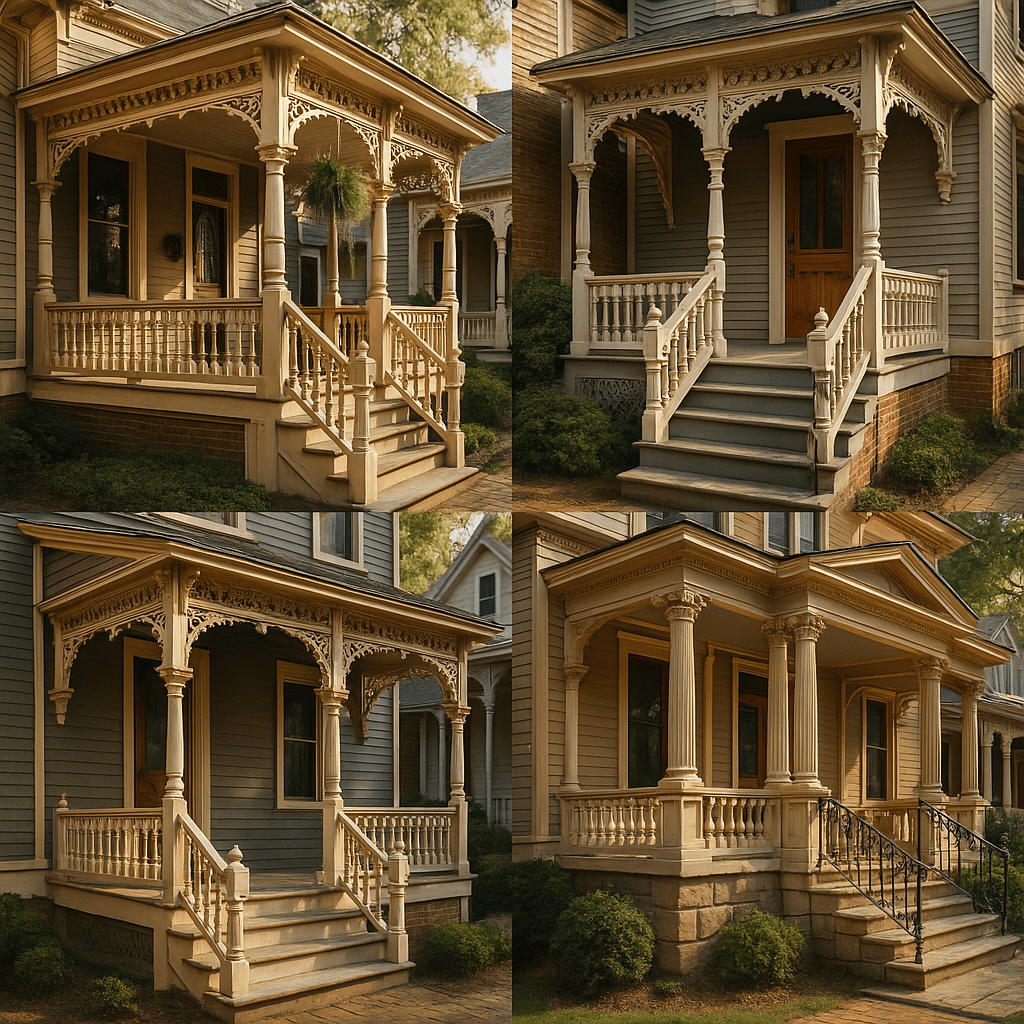
Request a Project AssessmentArtisan Historic Contracting approaches historic restoration with a simple philosophy: preserve what can be preserved and respect the craftsmanship that gave the property its character. Historic doors, windows, floors, stairs, porches, siding, trim, and molding are more than building materials; together they tell the story of the home. AHC focuses on restoration, repair, and preservation using an understanding of traditional construction, historic materials, and architectural details. Whether your property is Victorian, Craftsman, Mission Revival, Spanish Colonial Revival, Tudor Revival, Classical Revival, Norman Revival, or Colonial Revival, the objective is to understand what exists before deciding what should be repaired, restored, or rehabilitated. Review the information here, explore the Related Services below, and choose the building components that need professional attention.
A successful historic restoration project begins by identifying the property, the building components involved, and the conditions that need attention. AHC's Service Center is designed to help a new client move from an initial concern toward the appropriate professional restoration pathway. Start by reviewing the information provided here, then use Related Services to identify the specific building components involved in your project. A property may need one service or several related services, such as doors, windows, floors, stairs, porches, siding, trim, or molding. The next step is a Project Assessment so the property, affected components, and existing conditions can be documented and the appropriate direction established. This creates an organized path from the first inquiry through project evaluation rather than asking the client to determine the technical solution before professional review.
Historic restoration pricing should help a client understand the work rather than reduce a complex historic property to a single number. AHC keeps pricing information visible as an education and qualification tool, with the labor structure connected to the level of service being considered. Repair, Restoration, and Rehabilitation represent different levels of project involvement, and the appropriate pathway depends on the building component and actual conditions being addressed. Historic properties may also involve original wood, glass, metal, masonry, plaster, traditional finishes, and other materials that require appropriate restoration planning. Before evaluating final project cost, the client should understand what needs attention and what level of work may be appropriate. Review the applicable Related Services below, identify the areas involved, and use the Project Assessment process to move the project toward an appropriate scope.